Homeowners and contractors turn to hardie board siding when they need a cladding solution that combines durability, low maintenance, and superior weather resistance, all while boosting a home’s curb appeal and energy efficiency. In 2026, hardie board remains the benchmark for fiber‑cement siding, offering a paintable surface that endures extreme temperatures, pests, and moisture better than most alternatives. For a holistic approach to exterior upgrades, consider pairing it with the right energy‑saving exterior doors to maximize thermal performance.
Why Hardie Board Siding Stands Out in 2026
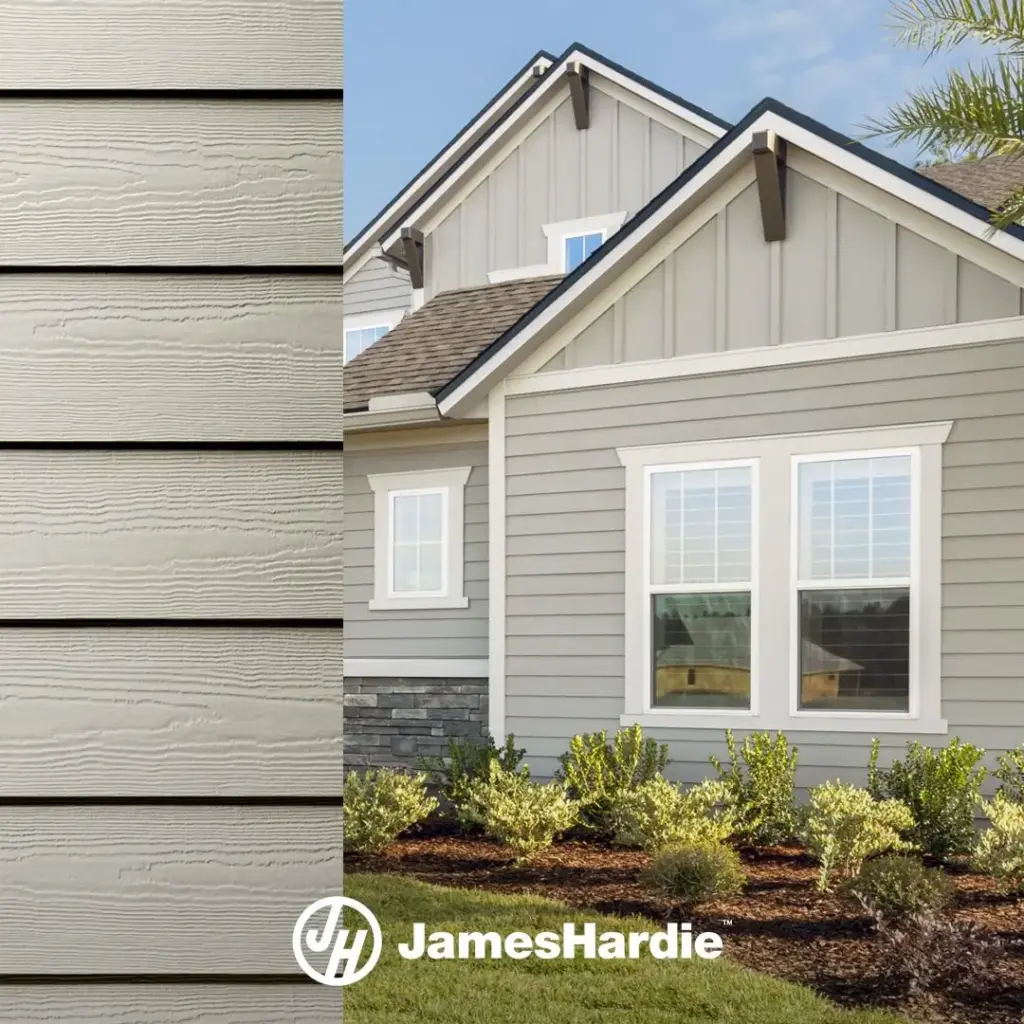
Hardie board, a proprietary fiber‑cement product originally developed by James Hardie Industries, has evolved through three generations of formulation. The latest 2026 version incorporates a proprietary blend of sand, cement, and cellulose fibers that delivers:
- Exceptional durability: Tested to withstand 150 mph winds and resist impact from hail and flying debris.
- Fire resistance: Classified as a Class A fire‑rated material, meeting the International Building Code (IBC) requirements for residential construction.
- Moisture tolerance: Engineered to prevent swelling or rot, even in high‑humidity coastal zones.
- Paintability: Can be repainted every 7‑10 years without compromising the board’s structural integrity.
According to the 2025 NAHB (National Association of Home Builders) “Exterior Materials Performance Survey,” fiber‑cement siding—including hardie board—ranked highest for long‑term value, with 92 % of respondents reporting satisfaction after five years of use.
Table of Contents
- Why Hardie Board Siding Stands Out in 2026
- Key Benefits Over Competing Materials
- 1. Compared to Vinyl Siding
- 2. Compared to Wood Siding
- 3. Energy Efficiency Advantages
- Choosing the Right Hardie Board Profile
- Installation Best Practices
- Step‑by‑Step Overview
- Common Installation Mistakes and How to Avoid Them
- Real‑World Case Study: A 2026 Suburban Renovation
- Environmental Impact and Sustainability
- Maintenance Tips for Longevity
- Cost Overview in 2026
- Frequently Asked Questions
- Is hardie board siding fire‑rated?
- Can hardie board be painted any color?
- How does hardie board perform in coastal environments?
- Is hardie board environmentally friendly?
- Do I need special tools to cut hardie board?
- Integrating Hardie Board with Other Energy‑Saving Upgrades
- Final Thoughts
Key Benefits Over Competing Materials
1. Compared to Vinyl Siding
Vinyl siding, while affordable, suffers from UV‑induced fading, expansion in hot climates, and limited fire resistance. Hardie board’s weather‑resistant cladding maintains color fidelity and structural stability, making it a superior choice for homeowners concerned about long‑term aesthetics and safety.
2. Compared to Wood Siding
Wood offers a classic look but demands regular sealing, painting, and pest control. Hardie board eliminates the need for termite treatments and resists rot, delivering the appearance of wood without the ongoing maintenance burden.
3. Energy Efficiency Advantages
Hardie board’s dense composition adds thermal mass to the building envelope, reducing heat transfer. The U.S. Department of Energy reports that homes with fiber‑cement siding can experience up to a 5 % reduction in heating and cooling loads when combined with proper insulation.
Choosing the Right Hardie Board Profile
Hardie board comes in several profiles designed for specific architectural styles and functional needs. Selecting the appropriate profile ensures seamless integration with trim, windows, and doors.
- Hardie Plank Lap: Classic horizontal lap, ideal for traditional homes.
- Hardie Shake: Mimics hand‑split cedar shake, perfect for rustic aesthetics.
- Hardie Panel: Large, flat panels that create a modern, sleek façade.
- Hardie Siding with Insulation: Incorporates a foam backer for enhanced R‑value, suitable for energy‑conscious renovations.
When planning a full exterior overhaul, consult the top 10 siding companies near you to ensure proper material handling and installation expertise.
Installation Best Practices
Although hardie board is designed for DIY‑friendly installation, its weight (approximately 140 lb per 4 × 8 ft panel) demands careful handling and compliance with safety standards.
Step‑by‑Step Overview
- Preparation: Verify that the sheathing is flat, dry, and secured with corrosion‑resistant fasteners. Install a weather‑resistant barrier (WRB) if not already present.
- Marking and Layout: Use a chalk line to establish a level baseline. Align the first row at the bottom edge to ensure a straight visual line.
- Fastening: Apply corrosion‑resistant, hot‑dipped galvanized nails or screws at 16 in. on center, following the manufacturer’s recommended spacing.
- Cutting: Use a carbide‑tipped scoring blade or a circular saw with a dust‑extraction system. Always wear a NIOSH‑approved respirator to protect against silica dust.
- Sealing Joints: Fill any gaps with a compatible exterior joint sealant to prevent water infiltration.
- Finishing: After installation, prime the surface with a masonry primer and apply a high‑quality acrylic exterior paint. This step is crucial for achieving the advertised 7‑10‑year repaint cycle.
Professional installers recommend staggering seams and using a “rain screen” technique—leaving a ¼ in. air gap behind the siding—to improve ventilation and further mitigate moisture buildup.
Common Installation Mistakes and How to Avoid Them
- Skipping the WRB: Omitting a weather‑resistant barrier can lead to hidden moisture, causing interior mold growth.
- Improper Fastener Selection: Using plain steel nails will corrode, compromising board attachment and leading to board warping.
- Over‑driving Fasteners: Driving nails too deep crushes the fibers and reduces the board’s impact resistance.
- Neglecting Expansion Gaps: Hardie board expands and contracts with temperature fluctuations; a 1/8 in. gap at each end of a panel is essential.
Real‑World Case Study: A 2026 Suburban Renovation
In March 2026, a 2,300 sq ft ranch‑style home in Raleigh, North Carolina, underwent a full exterior remodel. The homeowner replaced aging vinyl siding with Hardie Plank Lap, paired with insulated Hardie panels on the rear elevation. The project was managed by a local siding specialist ranked in the top ten for the region. Post‑renovation energy monitoring, conducted by the North Carolina Sustainable Energy Association, showed a 4.8 % reduction in annual HVAC energy consumption, translating to $560 in savings per year.
Beyond energy benefits, the homeowner reported zero maintenance issues after three years, while neighboring properties with traditional wood siding required repainting and rot repairs.
Environmental Impact and Sustainability
Hardie board’s composition—primarily sand, cement, and renewable cellulose—yields a product with a lower embodied carbon footprint than many synthetic alternatives. The 2026 EPA “Building Materials Greenhouse Gas Inventory” estimates that fiber‑cement siding emits roughly 0.45 kg CO₂e per square foot, compared to 0.78 kg CO₂e for PVC‑based vinyl siding.
Additionally, the material is fully recyclable at the end of its life cycle. James Hardie’s “Zero Waste” initiative aims to divert 95 % of manufacturing by‑products from landfills by 2028, underscoring the brand’s commitment to sustainable construction.
Maintenance Tips for Longevity
While hardie board is marketed as “low‑maintenance,” a few simple habits prolong its performance:
- Annual Inspection: Look for cracked caulk, loose fasteners, or water stains near joints.
- Gentle Cleaning: Use a low‑pressure hose and mild detergent; avoid abrasive scrubbers that could damage the paint coat.
- Repaint Schedule: Follow the manufacturer’s recommendation of repainting every 7‑10 years, especially after severe weather events.
- Trim and Flashing Maintenance: Ensure that surrounding trim, gutters, and flashing remain sealed to prevent moisture migration.
Cost Overview in 2026
Hardie board remains a premium option, but the total cost of ownership often proves favorable when factoring in durability and energy savings. According to a 2025 “Home Improvement Cost Index” from Remodeling Magazine:
| Item | Average Cost (USD) |
|---|---|
| Hardie board (material only, per sq ft) | $2.35 – $3.10 |
| Installation (labor, per sq ft) | $1.75 – $2.40 |
| Total (material + labor) | $4.10 – $5.50 |
| Vinyl siding (total) | $3.00 – $4.20 |
When combined with an average energy saving of 5 % and an estimated 30‑year lifespan, the net present value (NPV) of hardie board often surpasses that of vinyl or wood siding, especially in climates with high humidity or temperature extremes.
Frequently Asked Questions
Is hardie board siding fire‑rated?
Yes. It meets Class A fire‑rating standards, making it one of the safest exterior cladding options for residential construction.
Can hardie board be painted any color?
Hardie board accepts a full spectrum of exterior acrylic paints. For best results, apply a masonry primer before the topcoat.
How does hardie board perform in coastal environments?
The board’s moisture‑resistant core and non‑corrosive fasteners make it ideal for salty air and high humidity. It does not swell or warp like wood or some metal sidings.
Is hardie board environmentally friendly?
Its high recycled content and low embodied carbon, coupled with recyclability at end‑of‑life, give it a favorable sustainability profile compared with many synthetic sidings.
Do I need special tools to cut hardie board?
A carbide‑tipped scoring blade or a circular saw with a dust extraction system is recommended. Always wear a NIOSH‑approved respirator to protect against silica dust.
Integrating Hardie Board with Other Energy‑Saving Upgrades
For homeowners pursuing a net‑zero retrofit, hardie board works synergistically with other envelope improvements:
- High‑performance front doors that feature insulated cores and low‑U glass.
- Continuous exterior insulation (CEI) systems that can be installed behind the siding for added R‑value.
- Low‑E double‑glazed windows that complement the thermal mass of fiber‑cement cladding.
When these components are selected and installed as a cohesive package, homeowners can achieve up to a 20 % reduction in overall heating and cooling demand, according to the 2026 Building Energy Efficiency Survey by the American Council for an Energy‑Efficient Economy (ACEEE).
Final Thoughts
Hardie board siding remains the gold standard for resilient, low‑maintenance, and energy‑efficient exterior cladding in 2026. Its proven performance against fire, moisture, and impact, combined with a sustainable manufacturing footprint, makes it a wise investment for both new construction and renovation projects. By following best‑practice installation methods, partnering with reputable siding professionals, and integrating complementary upgrades such as high‑efficiency doors and insulation, homeowners can maximize both aesthetic appeal and long‑term savings.
